To know me is to know that I’ve lost.
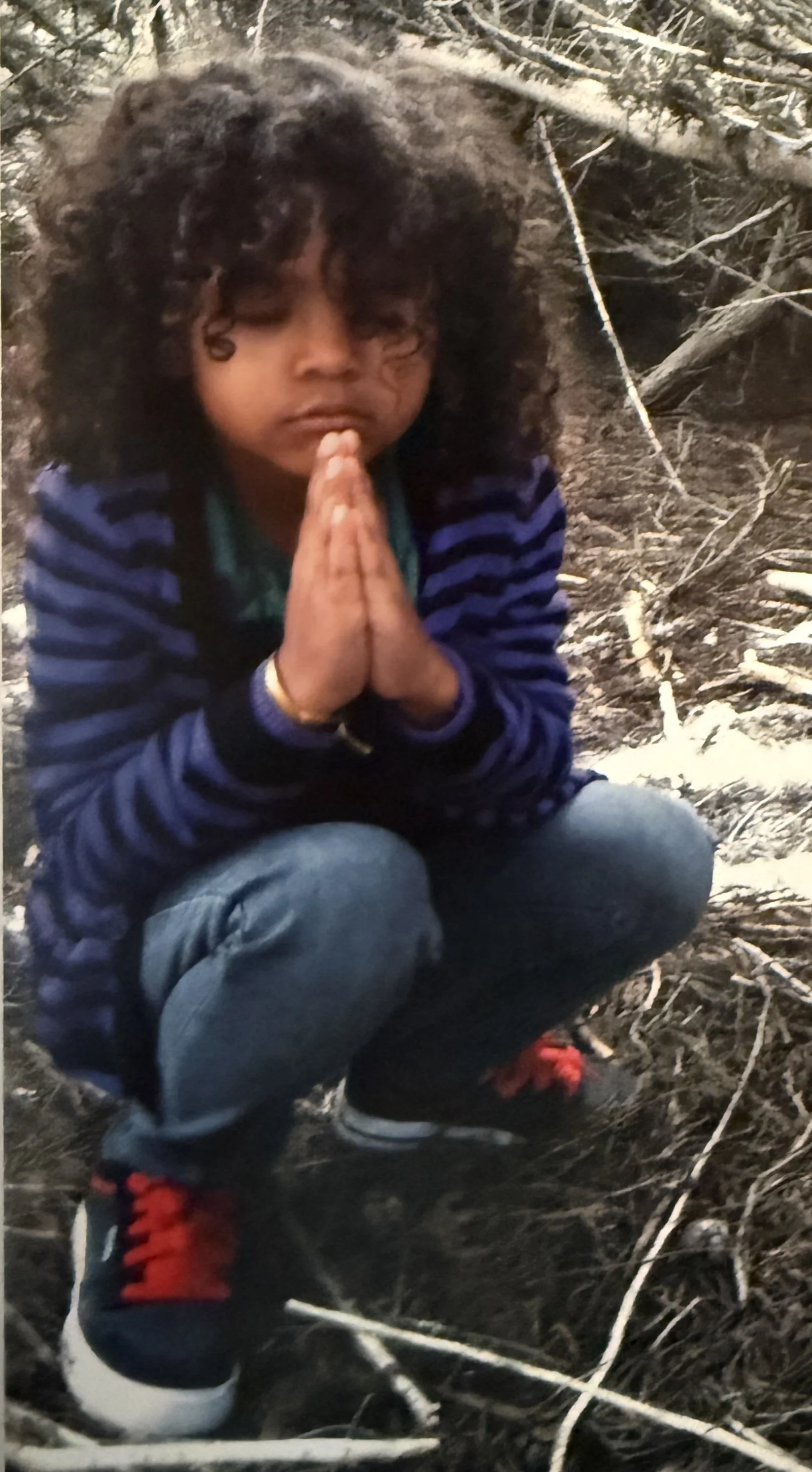
My kids and I scattering my mom’s ashes in the Redwood Forest in 2012.
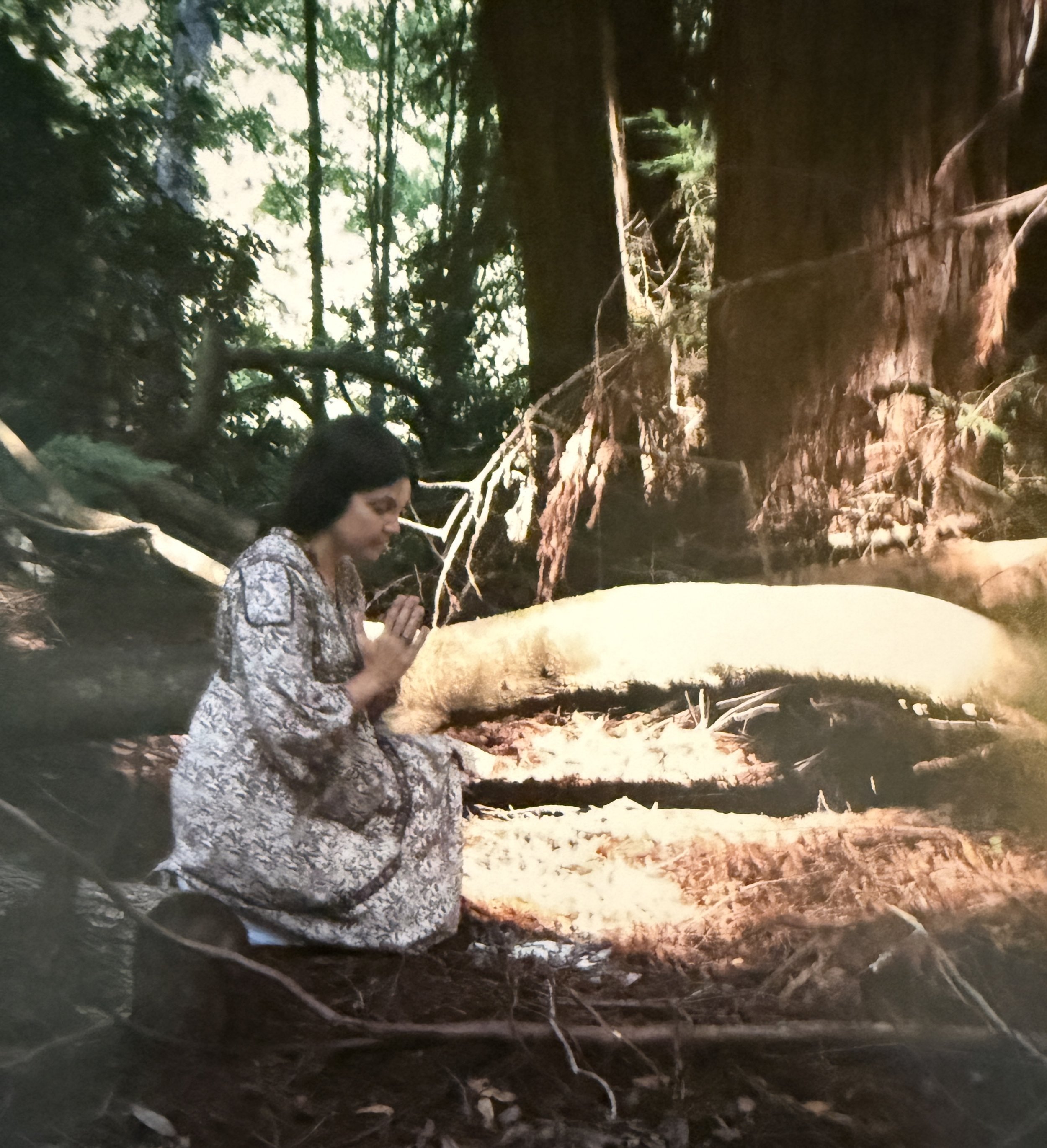
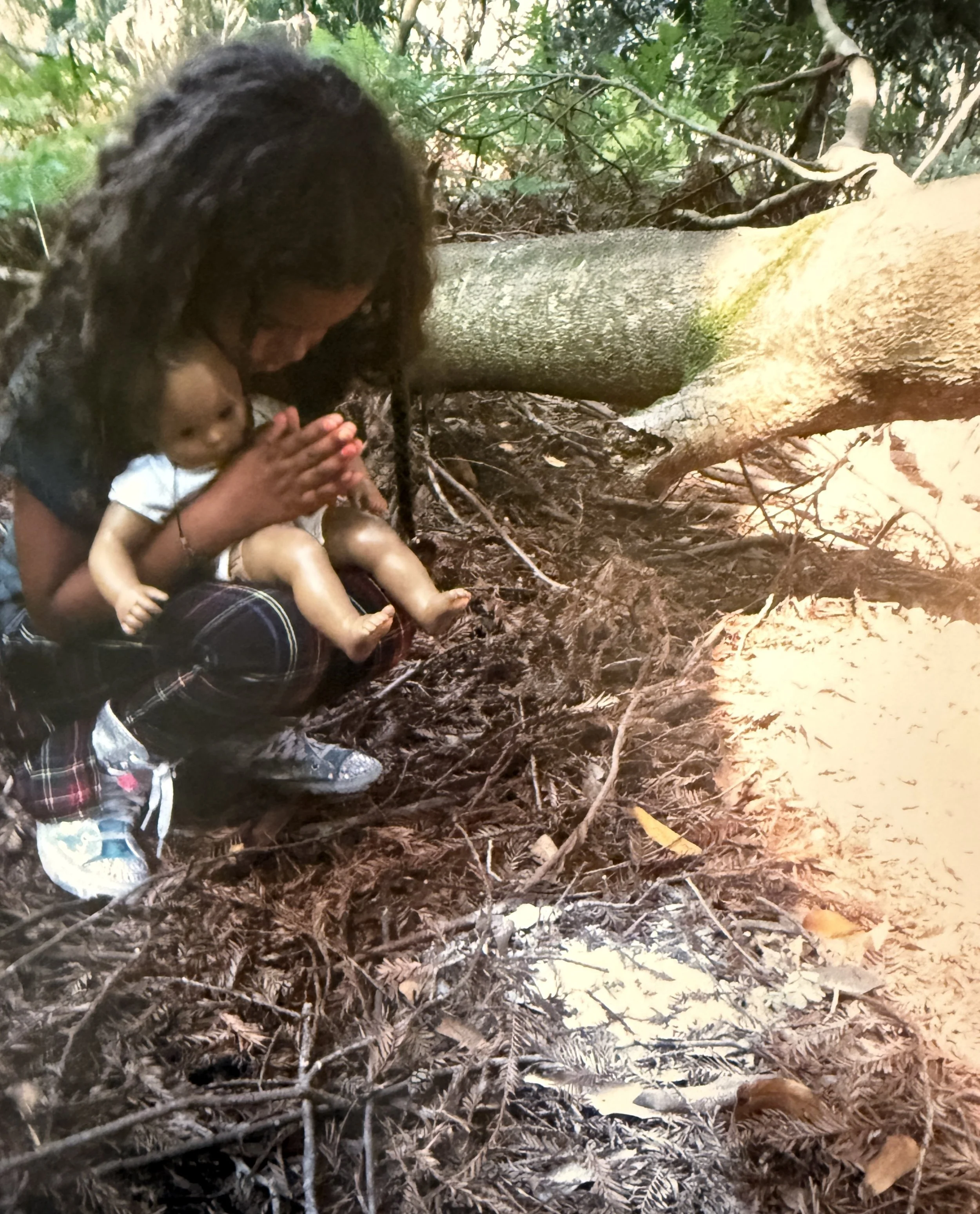
I had already attended thousand of deaths, before I experienced personal loss. Despite my years working in end-of-life & grief, nothing in my professional knowledge was a place of any refuge. For a long time, I had difficulty with any articulation. The realization that we reside in a grief -illiterate culture was felt instantly. My willingness to inhabit grief as a skill, a practice and not an affliction to resolve was my way through. The being with the feeling of full nothingness.
Grief was transpersonal, able to access and organize beyond the ego me… at times and more so over time a deepening occurred in my sense of connectedness. Grief was eternal, out of time. Unspeakable suffering of being-ness in a mostly groundlessness state. It was easier to breathe here if I personified grief as a fluid and purposeful guide, a wise herder that gathers everything we have recorded as loss, and sets a path for tending, all orphaned voices have a chance to be expressed.
I believe grief is not pathology, but a deeply human response to love, attachment and shared existence. We hold this as the heart of the matter, in order to companion grief, its suffering and continued capacity for connection and meaning.
In a grief-avoidant culture, profound loss can feel destabilizing. Therapy can become a place where your grief is able to be experienced as more connective. Loss can feel existentially threatening. My work helps to safely experience, process and learn the language and landscape of grief.
IN HOME + VIRTUAL THERAPY
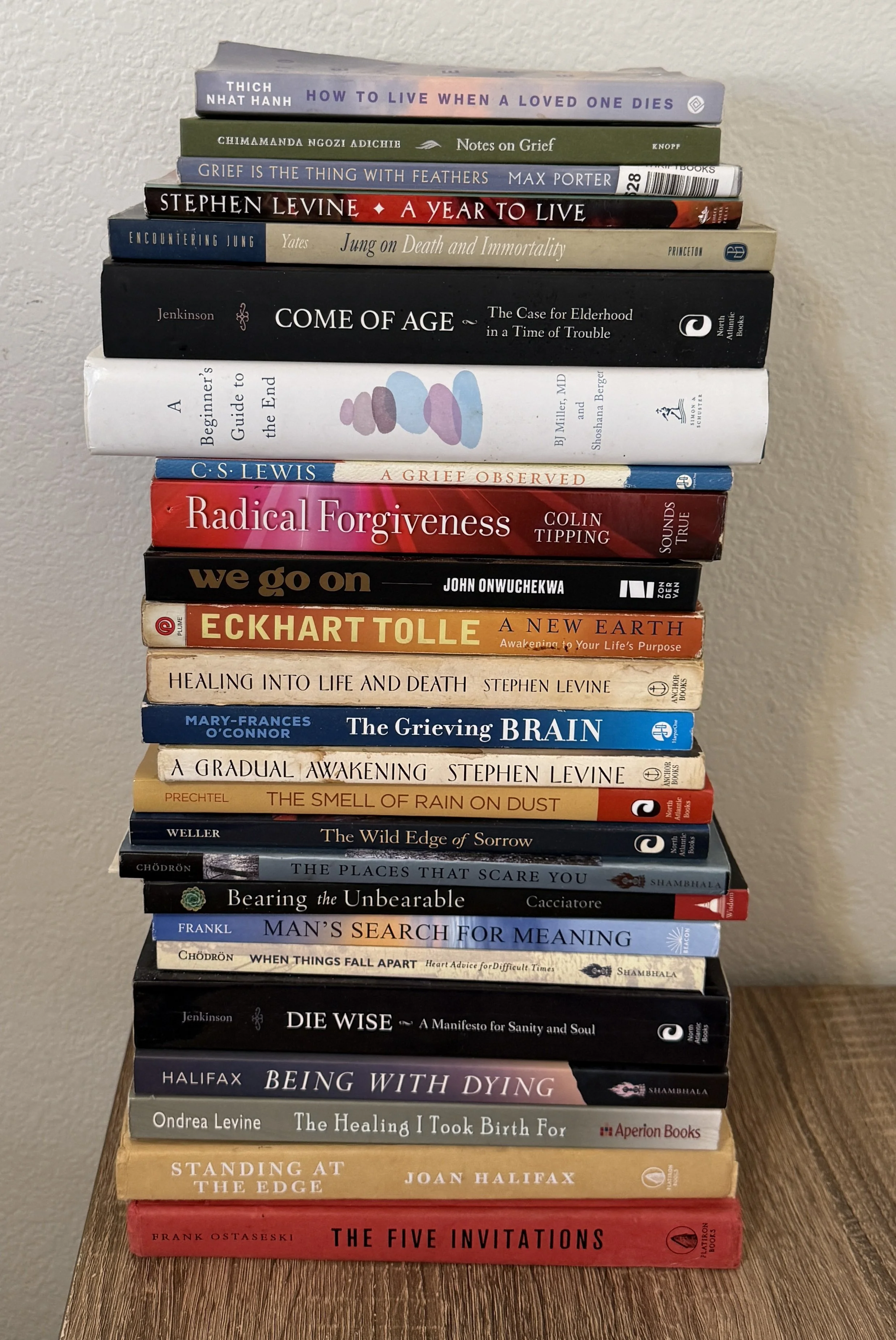
Books I return to

-
All There Is - Anderson Cooper
Features conversations with guests about navigating life after loss. Specifically being with our grief rather than moving on.
https://podcasts.apple.com/us/podcast/all-there-is-with-anderson-cooper/id1643163707

-
by Alan Wolfelt, Ph.D
An approach at the roots of experiencing grief with presence, witness and compassionate accompaniment.
https://www.centerforloss.com/2019/12/eleven-tenets-of-companioning/